
Pressure Ulcer

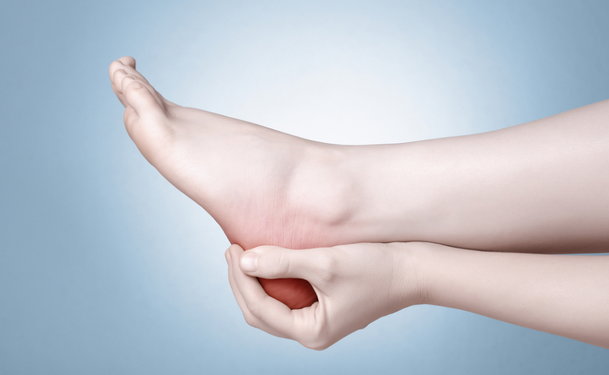
A pressure ulcer, also known as a bedsore or decubitus ulcer, is a wound of the skin caused by prolonged, unrelieved pressure to that area. Pressure ulcers occur most frequently around bony prominences such as the tailbone, hips, heels, ankles and elbows.

Causes

Many factors can contribute to the formation of pressure ulcers. The main cause is unrelieved pressure to a location of skin on the body. This constant pressure inflicts damage by decreasing the area’s blood supply and traumatizing the skin. When this pressurized spot rubs against other surfaces (such as bed sheets or wheel chairs), the tissue is further damaged. Other contributing factors are:

  • Excess moisture (fecal or urinary incontinence)
  • Poor nutrition and/or hydration
  • Generally poor health

Types

Pressure ulcers are categorized according to their characteristics by their severity:

Stage I: The beginning stage

  • The skin is intact.
  • The skin appears red or ashen and doesn’t blanch (lighten in color) when touched.
  • The area may be painful, firm, soft, warm or cool.

Stage II: An open wound

  • The pressure ulcer may look like a shallow, pinkish red bowl-like wound, or it may appear as an intact or ruptured blister.

Stage III: A deep wound

  • The pressure ulcer has a crater-like appearance.
  • Deep damage may expose a fat layer.
  • The bottom of the wound may have some yellow dead tissue (called slough).

Stage IV: Large scale tissue loss

  • The wound exposes bone, muscle or tendons.
  • The bottom of the ulcer contains slough and/or dark, crusty dead tissue (called eschar).
  • The deep damage is extensive and well beyond the original wound.

Signs and Symptoms

Pain can be a common symptom of pressure ulcers. Having any of the characteristics defined in the stages of pressure ulcers is cause for concern. A red mark that does not change over time or a blister that appears to worsen may be a pressure ulcer and should be evaluated by a healthcare professional.

Who Is at Risk

Anyone with limited mobility is at risk for developing pressure ulcers. Immobility, temporary or permanent, may be due to:

  • Surgery
  • Coma
  • Sedation
  • Paralysis
  • Bed rest or use of a wheel chair
  • General weakness

Other risk factors include:

  • Decreased sensory perception
  • Medical conditions that affect circulation
  • Decreased mental awareness

Treatment Options

If not treated, pressure ulcers can lead to sepsis (infection of the blood), bone and joint infections and death. Stages I and II pressure ulcers heal within several weeks with general wound care and treatment of the risk factors contributing to the wound’s formation. Stages III and IV ulcers are difficult to treat and, if found in an individual with multiple chronic conditions or a terminal illness, treatment may simply be focused on managing the wound rather than on healing it completely. General wound care involves a combination of the following:

  • Relieve the pressure: Frequent repositioning is imperative. Individuals confined to a wheelchair should change positions at least every 15 minutes. Those confined to a bed should be repositioned at least every 2 hours. In all cases, bony areas should be cushioned as much as possible.
  • Remove damaged tissue: The damaged tissue can be removed by cutting, irrigating or using chemical ointments to break down the tissue.
  • Clean and dress the wound: Pressure ulcers are cleansed with saline solution and can be dressed with a variety of dressings. All dressings aim to keep the wound at the appropriate moisture level while also creating a barrier to prevent infection.

Other treatments include antibiotics, pain management and improving nutrition.

Prevention

Pressure ulcers are much easier to prevent than to treat, but that doesn’t mean they all can be prevented. Wounds may still develop with persistent and appropriate care due to the overwhelming nature of risk factors in some individuals. Take the following steps to help prevent pressure ulcers:

  • Change position frequently and avoid trauma to the skin when shifting positions (lifting and turning rather than scooting or dragging the skin)
  • Keep the skin clean and dry
  • Inspect the skin regularly, particularly in bony areas – get assistance if you are unable to view skin in some areas of your body
  • Eat a well balanced diet and drink plenty of fluids

Related Articles

Bedsores (Decubitis Ulcers)

What Is It? Bedsores, also known as decubitus ulcers or pressure ulcers, are skin lesions caused by prolonged pressure on different areas of the body...

Acute Wounds

An acute wound is an injury to the skin that occurs suddenly rather than over time. It heals at a predictable and expected rate according to the norma...

Chronic Wounds

A chronic wound develops when any acute wound fails to heal in the expected time frame for that type of wound, which might be a couple of weeks or up ...

Dehisced Wounds

Wound dehiscence is one of the most common complications of surgical wounds, involving the breaking open of the surgical incision along the suture. Ty...

Diabetic Wounds

Diabetes mellitus can be virtually harmless if controlled, but the state of abnormally high blood glucose levels associated with the condition can lea...

Gangrene

Gangrene is a condition in which body tissues decay and eventually die as a result of inadequate blood supply. Although it can happen in any part of t...

Infected Wounds

What Is It? Infected wounds are wounds in which bacteria or other microorganisms have colonized, causing either a delay in wound healing or deteriora...

Necrotizing fasciitis

What Is It? Necrotizing fasciitis is a type of bacterial skin infection which predominantly affects the skin but may also expand to include the subcu...

Pyoderma gangrenosum

What Is It? Pyoderma gangrenosum is a rare disease, occurring in approximately one person per 100,000, which causes inflammation and ulceration of th...

Soft Tissue Radionecrosis

What Is It? Soft tissue radionecrosis (STRN) refers to the death (necrosi) of soft tissues as a result of exposure to ionizing radiation. It is a cou...

Surgical Wounds

A surgical wound, also known as an incision, is a wound made by a cutting instrument such as a scalpel. Surgical wounds are made in a sterile environm...

Venous Leg Ulcers

Venous ulcers are the most common type of ulcers occurring in the lower limbs, accounting for more than half of all ulcer cases. A venous ulcer typica...

Acute arterial insufficiency

What is It? Acute arterial insufficiency is a medical condition in which the tissues do not receive enough oxygen and nutrients (ischemia) due to poo...

Biofilm-Infected Wounds

Biofilms in wounds are a form of infection that is made up of living microbes that are capable of forming colonies. Biofilms are generally compos...

Burns

A burn refers to any damage to body tissue due to heat, chemicals, radiation or electricity. It is estimated that burns cause approximately three- to ...

Ischemic Wounds

Ischemic wounds occur as a direct result of blocked blood flow to medium and small vascular beds in the body. This condition is called arterial insuff...

Nonhealing surgical wounds

What Is it? As the name implies, nonhealing surgical wounds are wounds from surgical procedures which have not undergone the normal process of healin...

Osteomyelitis (Bone Infection)

What Is It? Osteomyelitis is a bone infection caused by bacteria or, in rare cases, a fungus. Your bones are a living tissue and, like other tissues ...

Osteoradionecrosis

What Is it? Osteoradionecrosis (ORN) is a condition in which bone tissue dies as a result of radiation exposure. Normally, bone tissue is able to reg...

Partial Thickness Burns

A partial thickness burn (also known as a second degree burn) is a burn that affects the top two layers of skin, called the epidermis and hypodermis. ...

Radiation Injury

What Is It? A radiation injury is tissue damage caused by exposure to ionizing radiation, including gamma rays, beta rays and X-rays. Causes There ...

Skin Disorders

Skin disorders broadly encompass any cutaneous (skin) injury or infection. There are many different types of skin disorders ranging from a rash or itc...

Spider Bites

Only a few spiders are dangerous and strong enough to pierce the human skin and cause a spider bite. Frequently, bites that you suspect to be caused b...

Traumatic wounds

Traumatic wounds are typically defined as cuts, lacerations or puncture wounds which have caused damage to both the skin and underlying tissues. Acute...

Varicose Veins

Varicose veins are enlarged or swollen veins in the legs, feet and other parts of the body. However, they are typically found in the lower limbs. This...

Human and Animal Bites

Human and animal bites are relatively common and can result in minor injuries such as puncture wounds, scrapes, cuts or bruising. They most commonly o...
Find a Treatment Center
List Your Facility
Be found by clients looking for your exact skills. Learn more.