
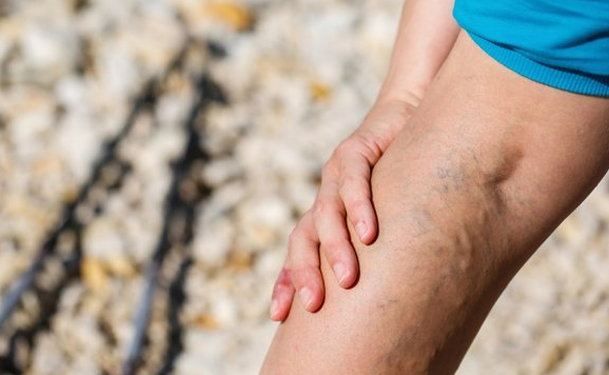
Varicose Veins

Varicose veins are enlarged or swollen veins in the legs, feet and other parts of the body. However, they are typically found in the lower limbs. This condition is characterized by blue or purple looking veins caused by a pooling or blockage of blood. Veins may also bulge out of the skin and appear twisted.

Causes and Risk Factors

The many possible causes of varicose veins include:

  • Pregnancy - During pregnancy, the weight of a growing fetus presses on vital arteries and veins. The pressure reduces blood circulation to the legs and feet. Although this may be a problem during pregnancy, it will usually go away after giving birth.
  • Hormone changes - Hormonal changes during menopause and menstruation can contribute to this condition as well. The fluctuating hormones affect blood circulation throughout the body.
  • Weight gain - Being overweight places undue stress on the legs, back and feet.
  • Continuous sitting or standing - Sitting or standing for a long period of time can affect circulation. People who work in health care, manufacturing or similar types of jobs are affected.
  • Vein elasticity - Elderly patients are more susceptible than others to elastic or loose veins. Age affects the elasticity and strength of each vein. This loss of elasticity compromises the blood flow from arteries and veins.

Signs and Symptoms

Most people will notice a difference in how their legs look and feel after rising from sitting or lying positions. They may experience an achy sensation in their legs as they attempt to walk. This sensation may occur throughout the day as well. Large, irregular bulges may be seen in the legs. The site may feel itchy or irritated.

Treatment Options

Treatment options may include either surgical or nonsurgical methods. Nonsurgical methods are weight loss programs, exercise and the use of compression stockings. Compression stockings are used to improve circulation and control pooling blood or pain in the legs.

Surgical methods are generally invasive and require the skills of a vein specialist. These include:

  • Laser surgery - This procedure does not use surgical instruments to remove varicose veins. It does, however, use laser technology to slowly fade away the damaged veins. Physicians do not typically use anesthesia in laser surgery.
  • Vein stripping - This method requires making a surgical incision in the leg to remove the veins. The entire affected vein is pulled out.
  • Endoscopic vein surgery - The endoscopic method is slightly more invasive than vein stripping. A small camera is placed in the surgical site through an incision in the skin. Physicians use the camera to locate the veins to be removed. Endoscopic surgery is used on conditions that have escalated to leg ulcers.
  • Catheter procedures - This method requires a catheter to be placed in an incision. It heats up and destroys the damaged veins by collapsing them.

Prevention

Most people can prevent circulation problems by managing their weight, eating a healthy diet and getting plenty of exercise. Elderly patients may consider compression hose or stockings to improve circulation. Elevating the legs when sitting or lying is good for alleviating stress on the lower extremities. It is also recommended that people avoid standing or sitting in the same position for more than an hour at a time. All of these methods may help prevent varicose veins and other circulation problems.

Related Articles

Bedsores (Decubitis Ulcers)

What Is It? Bedsores, also known as decubitus ulcers or pressure ulcers, are skin lesions caused by prolonged pressure on different areas of the body...

Acute Wounds

An acute wound is an injury to the skin that occurs suddenly rather than over time. It heals at a predictable and expected rate according to the norma...

Chronic Wounds

A chronic wound develops when any acute wound fails to heal in the expected time frame for that type of wound, which might be a couple of weeks or up ...

Dehisced Wounds

Wound dehiscence is one of the most common complications of surgical wounds, involving the breaking open of the surgical incision along the suture. Ty...

Diabetic Wounds

Diabetes mellitus can be virtually harmless if controlled, but the state of abnormally high blood glucose levels associated with the condition can lea...

Gangrene

Gangrene is a condition in which body tissues decay and eventually die as a result of inadequate blood supply. Although it can happen in any part of t...

Infected Wounds

What Is It? Infected wounds are wounds in which bacteria or other microorganisms have colonized, causing either a delay in wound healing or deteriora...

Necrotizing fasciitis

What Is It? Necrotizing fasciitis is a type of bacterial skin infection which predominantly affects the skin but may also expand to include the subcu...

Pressure Ulcer

A pressure ulcer, also known as a bedsore or decubitus ulcer, is a wound of the skin caused by prolonged, unrelieved pressure to that area. Pressure u...

Pyoderma gangrenosum

What Is It? Pyoderma gangrenosum is a rare disease, occurring in approximately one person per 100,000, which causes inflammation and ulceration of th...

Soft Tissue Radionecrosis

What Is It? Soft tissue radionecrosis (STRN) refers to the death (necrosi) of soft tissues as a result of exposure to ionizing radiation. It is a cou...

Surgical Wounds

A surgical wound, also known as an incision, is a wound made by a cutting instrument such as a scalpel. Surgical wounds are made in a sterile environm...

Venous Leg Ulcers

Venous ulcers are the most common type of ulcers occurring in the lower limbs, accounting for more than half of all ulcer cases. A venous ulcer typica...

Acute arterial insufficiency

What is It? Acute arterial insufficiency is a medical condition in which the tissues do not receive enough oxygen and nutrients (ischemia) due to poo...

Biofilm-Infected Wounds

Biofilms in wounds are a form of infection that is made up of living microbes that are capable of forming colonies. Biofilms are generally compos...

Burns

A burn refers to any damage to body tissue due to heat, chemicals, radiation or electricity. It is estimated that burns cause approximately three- to ...

Ischemic Wounds

Ischemic wounds occur as a direct result of blocked blood flow to medium and small vascular beds in the body. This condition is called arterial insuff...

Nonhealing surgical wounds

What Is it? As the name implies, nonhealing surgical wounds are wounds from surgical procedures which have not undergone the normal process of healin...

Osteomyelitis (Bone Infection)

What Is It? Osteomyelitis is a bone infection caused by bacteria or, in rare cases, a fungus. Your bones are a living tissue and, like other tissues ...

Osteoradionecrosis

What Is it? Osteoradionecrosis (ORN) is a condition in which bone tissue dies as a result of radiation exposure. Normally, bone tissue is able to reg...

Partial Thickness Burns

A partial thickness burn (also known as a second degree burn) is a burn that affects the top two layers of skin, called the epidermis and hypodermis. ...

Radiation Injury

What Is It? A radiation injury is tissue damage caused by exposure to ionizing radiation, including gamma rays, beta rays and X-rays. Causes There ...

Skin Disorders

Skin disorders broadly encompass any cutaneous (skin) injury or infection. There are many different types of skin disorders ranging from a rash or itc...

Spider Bites

Only a few spiders are dangerous and strong enough to pierce the human skin and cause a spider bite. Frequently, bites that you suspect to be caused b...

Traumatic wounds

Traumatic wounds are typically defined as cuts, lacerations or puncture wounds which have caused damage to both the skin and underlying tissues. Acute...

Human and Animal Bites

Human and animal bites are relatively common and can result in minor injuries such as puncture wounds, scrapes, cuts or bruising. They most commonly o...
Find a Treatment Center
List Your Facility
Be found by clients looking for your exact skills. Learn more.