
Ischemic Wounds

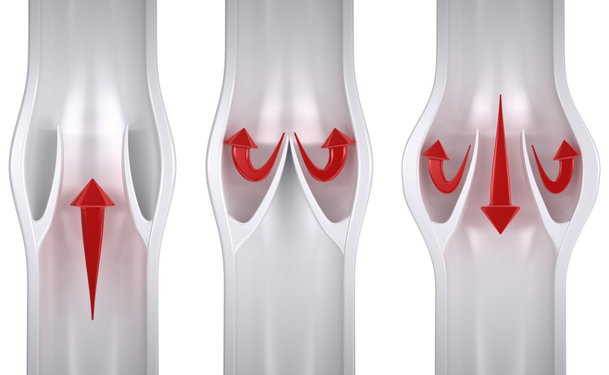
Ischemic wounds occur as a direct result of blocked blood flow to medium and small vascular beds in the body. This condition is called arterial insufficiency. Ischemic wounds are often found on the legs, feet and toes – typically on shins, heels, tops or sides of feet, tips of toes or between the toes where the skin rubs together.

Causes

When blood flow is blocked from an area of the body, that tissue is deprived of vital nutrients, causing damage and death at a cellular level. Damaged tissue deprived of adequate blood flow has a decreased ability to heal. A primary cause of blocked blood flow is atherosclerosis – a condition in which artery walls thicken and become less flexible. Atherosclerosis is the most common cause of ischemic wounds, although other conditions such as inflammation or excessive fluid build up also cause these wounds.  Additionally, individuals with arterial insufficiency often have other medical conditions that contribute to decreased sensation, particularly in the lower limbs. The inability to feel painful sensations (such as a shoe rubbing against the side of a foot) coupled with the tissue’s lack of blood flow contribute to ischemic wound formation and impair ischemic wound healing.

Signs and Symptoms

Ischemic wounds can be dark red, yellow, gray or black in color, and they usually do not bleed. There may or may not be swelling around the wound, depending upon if infection is present or not. The edges of the wound typically appear to be raised. If the limb is dangled down for a period of time, it will typically turn red. When elevated, this redness will turn pale and cool to the touch. Ischemic wounds are often very painful, and many individuals find the pain subsides when the leg is dangled downward. It is thought this helps the pain subside due to gravity assisting the blood flow to the area.

Who Is at Risk

Individuals with known poor circulation are at high risk for developing ischemic wounds. Other medical conditions also associated with ischemic wounds are:

  • Diabetes Mellitus
  • Renal (kidney) failure
  • Hypertension
  • Lymphedema (a condition causing fluid buildup in the legs)
  • Inflammatory diseases (such as vasculitis or lupus)
  • Smoking (past or present)

Treatment Options

Depending on the patient’s condition, overall health and the severity of the ischemic wound, a health care professional may recommend invasive tests or even surgery to bypass the blocked blood vessels and restore blood flow to the affected area. Debridement is not a viable treatment option for ischemic wounds as it will often lead to a worsening wound condition.  Ischemic wound treatment can vary depending upon location and patient condition, but the general goals for treatment of an ischemic wound are

  • Relieve pain
  • Prevention of more ischemic wounds
  • Remove any irritants to the current wound
  • Protect the skin surrounding the current wound and prevent spread of the ischemic area
  • Monitor for signs and symptoms of infection

Additional actions to encourage healing should be taken, such as following a healthy diet, taking medications as prescribed and drinking plenty of fluid.

Prevention

Prevention and treatment of ischemic wounds begins with careful and routine inspection of the skin and feet. Proper skin and foot care is especially important for individuals with known poor circulation in the legs. Carefully examine the tops and bottoms of feet and between the toes every day. Do not wait to treat a minor skin or foot problem. Certain lifestyle choices should also be taken to help prevent ischemic wounds such as:

  • Quit smoking
  • Exercise per a health care professional’s recommendation
  • Maintain good nutrition and adequate fluid intake
  • Actively manage other medical conditions (such as high blood pressure, high cholesterol and diabetes)

Related Articles

Bedsores (Decubitis Ulcers)

What Is It? Bedsores, also known as decubitus ulcers or pressure ulcers, are skin lesions caused by prolonged pressure on different areas of the body...

Acute Wounds

An acute wound is an injury to the skin that occurs suddenly rather than over time. It heals at a predictable and expected rate according to the norma...

Chronic Wounds

A chronic wound develops when any acute wound fails to heal in the expected time frame for that type of wound, which might be a couple of weeks or up ...

Dehisced Wounds

Wound dehiscence is one of the most common complications of surgical wounds, involving the breaking open of the surgical incision along the suture. Ty...

Diabetic Wounds

Diabetes mellitus can be virtually harmless if controlled, but the state of abnormally high blood glucose levels associated with the condition can lea...

Gangrene

Gangrene is a condition in which body tissues decay and eventually die as a result of inadequate blood supply. Although it can happen in any part of t...

Infected Wounds

What Is It? Infected wounds are wounds in which bacteria or other microorganisms have colonized, causing either a delay in wound healing or deteriora...

Necrotizing fasciitis

What Is It? Necrotizing fasciitis is a type of bacterial skin infection which predominantly affects the skin but may also expand to include the subcu...

Pressure Ulcer

A pressure ulcer, also known as a bedsore or decubitus ulcer, is a wound of the skin caused by prolonged, unrelieved pressure to that area. Pressure u...

Pyoderma gangrenosum

What Is It? Pyoderma gangrenosum is a rare disease, occurring in approximately one person per 100,000, which causes inflammation and ulceration of th...

Soft Tissue Radionecrosis

What Is It? Soft tissue radionecrosis (STRN) refers to the death (necrosi) of soft tissues as a result of exposure to ionizing radiation. It is a cou...

Surgical Wounds

A surgical wound, also known as an incision, is a wound made by a cutting instrument such as a scalpel. Surgical wounds are made in a sterile environm...

Venous Leg Ulcers

Venous ulcers are the most common type of ulcers occurring in the lower limbs, accounting for more than half of all ulcer cases. A venous ulcer typica...

Acute arterial insufficiency

What is It? Acute arterial insufficiency is a medical condition in which the tissues do not receive enough oxygen and nutrients (ischemia) due to poo...

Biofilm-Infected Wounds

Biofilms in wounds are a form of infection that is made up of living microbes that are capable of forming colonies. Biofilms are generally compos...

Burns

A burn refers to any damage to body tissue due to heat, chemicals, radiation or electricity. It is estimated that burns cause approximately three- to ...

Nonhealing surgical wounds

What Is it? As the name implies, nonhealing surgical wounds are wounds from surgical procedures which have not undergone the normal process of healin...

Osteomyelitis (Bone Infection)

What Is It? Osteomyelitis is a bone infection caused by bacteria or, in rare cases, a fungus. Your bones are a living tissue and, like other tissues ...

Osteoradionecrosis

What Is it? Osteoradionecrosis (ORN) is a condition in which bone tissue dies as a result of radiation exposure. Normally, bone tissue is able to reg...

Partial Thickness Burns

A partial thickness burn (also known as a second degree burn) is a burn that affects the top two layers of skin, called the epidermis and hypodermis. ...

Radiation Injury

What Is It? A radiation injury is tissue damage caused by exposure to ionizing radiation, including gamma rays, beta rays and X-rays. Causes There ...

Skin Disorders

Skin disorders broadly encompass any cutaneous (skin) injury or infection. There are many different types of skin disorders ranging from a rash or itc...

Spider Bites

Only a few spiders are dangerous and strong enough to pierce the human skin and cause a spider bite. Frequently, bites that you suspect to be caused b...

Traumatic wounds

Traumatic wounds are typically defined as cuts, lacerations or puncture wounds which have caused damage to both the skin and underlying tissues. Acute...

Varicose Veins

Varicose veins are enlarged or swollen veins in the legs, feet and other parts of the body. However, they are typically found in the lower limbs. This...

Human and Animal Bites

Human and animal bites are relatively common and can result in minor injuries such as puncture wounds, scrapes, cuts or bruising. They most commonly o...
Find a Treatment Center
List Your Facility
Be found by clients looking for your exact skills. Learn more.