
Biofilm-Infected Wounds

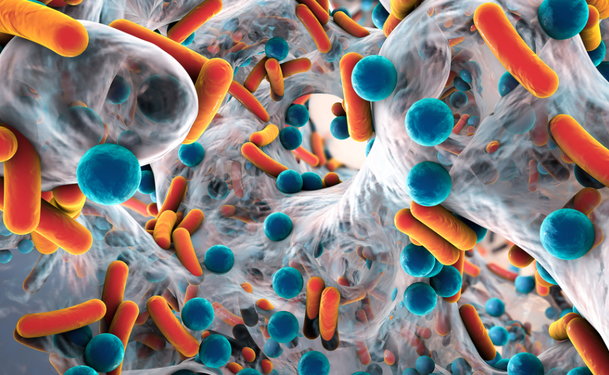
Biofilms in wounds are a form of infection that is made up of living microbes that are capable of forming colonies. Biofilms are generally composed of varied species of bacteria, fungi, yeasts, algae and other microbes, in addition to cellular debris. A biofilm is formed when certain types of micro-organisms attach themselves to the surface of wounds by secreting a gummy substance. These biofilms are known to infect most of the bodily tissues and may lead to chronic infections and non-healing wounds. In the United States, around 16 million new biofilm-based infections are diagnosed every year. 

Causes

The microorganisms in the biofilms are attached to one another and to the wounds with the help of strands made up of sugary molecules. These molecules are called extracellular polymeric substances or EPS. The production of EPS helps the biofilm to form a complex, three-dimensional structure within a few hours. These structures can also get detached as clumps of cells which move and may attach to another surface and propagate further. These complex structures are resistant to defense mechanisms of the body. Antibiotics are designed to attack bacteria, and may only partially eradicate the bacteria contained within a biofilm. Hence biofilms constitute a major obstacle to wound healing.

Treatment Options

Multiple strategies are used concurrently to suppress the biofilm activity in a wound. The treatment strategies should only target the biofilm without affecting the defense and healing mechanisms of the human body. It is easier to manage biofilm-based wounds compared to biofilm-based systemic infections such as osteomyelitis, endocarditis, prostatitis, etc. This is due to the easy access to the biofilm surface, making the physical management of a wound possible. Some of the treatment approaches followed for eradicating biofilms from wounds are listed below:

  • Debridement of wounds is done regularly to promote faster healing. Based on the severity of wounds, simple tools such as curette or ultrasound energy are used to eradicate the biofilm matrix.
  • Systemic antibiotics are used to destroy the biofilm microbes and prevent re-seeding of bacteria on the wound surface. Antibiotics that selectively kill the robust biofilm-based bacteria can be advantageous. Their doses should be adjusted after consideration of other antibiotics taken for systemic biofilm-based diseases.
  • Topical agents such as antibiotic creams, silver, cadexomer iodine, and methylene blue eradicate the biofilm and prevent the polluting of the dressings through bacterial seeding.
  • Some dressings, such as gauze, can promote the growth of biofilm and hence should be avoided. In such cases, alginates and polymeric materials are used for wound dressings instead of cotton gauze.
  • Chemicals such as alcohol, peroxide, Dakin’s solution, and acetic acid have a minimal effect on biofilms, can cause extensive damage to the defense mechanisms and should be avoided.
  • Bacteriophages, which are viruses that are known to infect bacteria, are widely studied for the management of biofilm. These viruses are effective in eradicating the biofilm and are found to be safe for use in humans.
  • It is important to avoid placement of skin grafts or replacements on wounds until a biofilm is completely eradicated. Otherwise, there are chances of biofilm using the foreign material as a food source.

 

Related Articles

Bedsores (Decubitis Ulcers)

What Is It? Bedsores, also known as decubitus ulcers or pressure ulcers, are skin lesions caused by prolonged pressure on different areas of the body...

Acute Wounds

An acute wound is an injury to the skin that occurs suddenly rather than over time. It heals at a predictable and expected rate according to the norma...

Chronic Wounds

A chronic wound develops when any acute wound fails to heal in the expected time frame for that type of wound, which might be a couple of weeks or up ...

Dehisced Wounds

Wound dehiscence is one of the most common complications of surgical wounds, involving the breaking open of the surgical incision along the suture. Ty...

Diabetic Wounds

Diabetes mellitus can be virtually harmless if controlled, but the state of abnormally high blood glucose levels associated with the condition can lea...

Gangrene

Gangrene is a condition in which body tissues decay and eventually die as a result of inadequate blood supply. Although it can happen in any part of t...

Infected Wounds

What Is It? Infected wounds are wounds in which bacteria or other microorganisms have colonized, causing either a delay in wound healing or deteriora...

Necrotizing fasciitis

What Is It? Necrotizing fasciitis is a type of bacterial skin infection which predominantly affects the skin but may also expand to include the subcu...

Pressure Ulcer

A pressure ulcer, also known as a bedsore or decubitus ulcer, is a wound of the skin caused by prolonged, unrelieved pressure to that area. Pressure u...

Pyoderma gangrenosum

What Is It? Pyoderma gangrenosum is a rare disease, occurring in approximately one person per 100,000, which causes inflammation and ulceration of th...

Soft Tissue Radionecrosis

What Is It? Soft tissue radionecrosis (STRN) refers to the death (necrosi) of soft tissues as a result of exposure to ionizing radiation. It is a cou...

Surgical Wounds

A surgical wound, also known as an incision, is a wound made by a cutting instrument such as a scalpel. Surgical wounds are made in a sterile environm...

Venous Leg Ulcers

Venous ulcers are the most common type of ulcers occurring in the lower limbs, accounting for more than half of all ulcer cases. A venous ulcer typica...

Acute arterial insufficiency

What is It? Acute arterial insufficiency is a medical condition in which the tissues do not receive enough oxygen and nutrients (ischemia) due to poo...

Burns

A burn refers to any damage to body tissue due to heat, chemicals, radiation or electricity. It is estimated that burns cause approximately three- to ...

Ischemic Wounds

Ischemic wounds occur as a direct result of blocked blood flow to medium and small vascular beds in the body. This condition is called arterial insuff...

Nonhealing surgical wounds

What Is it? As the name implies, nonhealing surgical wounds are wounds from surgical procedures which have not undergone the normal process of healin...

Osteomyelitis (Bone Infection)

What Is It? Osteomyelitis is a bone infection caused by bacteria or, in rare cases, a fungus. Your bones are a living tissue and, like other tissues ...

Osteoradionecrosis

What Is it? Osteoradionecrosis (ORN) is a condition in which bone tissue dies as a result of radiation exposure. Normally, bone tissue is able to reg...

Partial Thickness Burns

A partial thickness burn (also known as a second degree burn) is a burn that affects the top two layers of skin, called the epidermis and hypodermis. ...

Radiation Injury

What Is It? A radiation injury is tissue damage caused by exposure to ionizing radiation, including gamma rays, beta rays and X-rays. Causes There ...

Skin Disorders

Skin disorders broadly encompass any cutaneous (skin) injury or infection. There are many different types of skin disorders ranging from a rash or itc...

Spider Bites

Only a few spiders are dangerous and strong enough to pierce the human skin and cause a spider bite. Frequently, bites that you suspect to be caused b...

Traumatic wounds

Traumatic wounds are typically defined as cuts, lacerations or puncture wounds which have caused damage to both the skin and underlying tissues. Acute...

Varicose Veins

Varicose veins are enlarged or swollen veins in the legs, feet and other parts of the body. However, they are typically found in the lower limbs. This...

Human and Animal Bites

Human and animal bites are relatively common and can result in minor injuries such as puncture wounds, scrapes, cuts or bruising. They most commonly o...
Find a Treatment Center
List Your Facility
Be found by clients looking for your exact skills. Learn more.