
Hyperbaric Oxygen Treatment

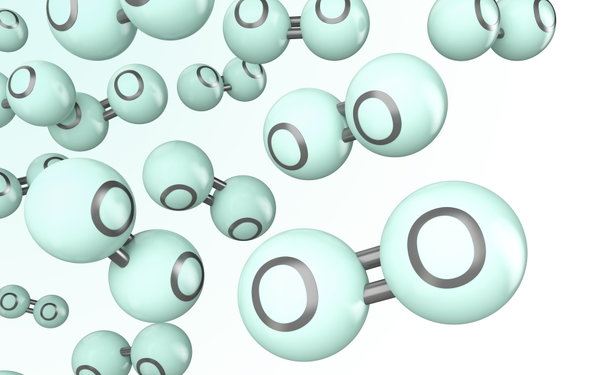
Hyperbaric oxygen treatment, or hyperbaric oxygen therapy (HBOT), involves breathing 100 percent oxygen at increased atmospheric pressures to increase the amount of oxygen (oxygen tension) delivered to the body tissues.

Normal atmospheric air contains approximately 21 percent of oxygen at 14 to 15 pounds per square inch. In hyperbaric oxygen treatment, the patient breathes in pure oxygen at atmospheric pressures up to six times the norm. Breathing pure oxygen causes the hemoglobin (proteins in the red blood cells that transport oxygen) to become fully saturated. In addition, the increased atmospheric pressure causes more oxygen to be dissolved in the plasma, further increasing the oxygen content of the blood.

Uses and Benefits

HBOT is used for a variety of conditions. It is used for treating decompression sickness (in deep-sea divers), carbon monoxide poisoning, necrotizing soft tissue infections, osteoradionecrosis, crush injuries and compartment syndromes. It is also used to enhance wound healing and improve the survival of skin flaps or grafts used in reconstructive surgery.

HBOT works for different conditions in different ways. In decompression sickness, the increased oxygen tension decreases the size of the nitrogen bubbles in the blood vessels. Increasing the oxygen tension displaces the carbon monoxide bound to hemoglobin in carbon monoxide poisoning.

HBOT is beneficial in necrotizing soft tissue infections because, aside from the fact that oxygen is directly toxic to anaerobic bacteria, it relieves tissue hypoxia (lack of oxygen) and improves white blood cell function (because oxygen is directly toxic to anaerobic bacteria).

There is some evidence that hyperbaric oxygen treatment may also improve the action of certain antibiotics.

In crush injuries (those characterized by a sudden loss of blood flow, resulting in local ischemia, followed by edema), HBOT is able to decrease the edema by inducing a reduction in blood flow. Increased oxygen tension also promotes angiogenesis, the growth of new blood vessels. This makes HBOT beneficial in the treatment of non-healing wounds and in improving the survival of skin flaps and grafts by relieving local tissue hypoxia and increasing the blood supply to the tissues.

The Procedure 

HBOT involves the use of a special chamber in which a patient can sit or lie down. The whole chamber is pressurized to greater than normal atmospheric pressures (up to six times) while pure oxygen is being given through a mask or nasal cannula. Depending on the number of patients a hyperbaric chamber can accommodate, it can be classified as either multi-place (designed for several people) or mono-place (designed for one person).

For chronic conditions, therapy may be repeated over the course of a few days or weeks. For acute conditions, such as decompression sickness, the treatment may be given in one prolonged session but may not be repeated unless necessary.

Precautions

Since HBOT involves the use of increased pressures, it can result in a condition known as barotrauma. This can occur in the ears, lungs or sinuses. Too much oxygen may also lead to oxygen toxicity, a condition that can manifest as seizures.

Related Articles

Skin Substitutes

Skin substitutes as a form of wound closure have been found useful since the earliest centuries of medical science. Skin is made up of epidermis (uppe...

Biatain Foam

Biatain foam was introduced as early as the 1970s. Biatain foam is a soft, pliable dressing which is comprised of an outer layer that helps guard agai...

Biologic Debridement

Biologic debridement is the use of living organisms to remove necrotic or dead tissue from a wound. The most commonly used biologic debridement method...

Topical Wound Treatments

When it comes to wound care, the challenge is to strike a balance between keeping the wound clean and moist, while at the same time fighting off the b...

Advanced Dressings

Biatain Foam Biatain foam is a soft, pliable dressing which is comprised of an outer layer that helps guard against bacteria and infection, and an in...

Growth Factor Therapy

Growth factor therapy is the use of growth factors to promote wound healing. Growth factors are substances secreted by the body whose function is to s...

Vacuum-Assisted Closure

Vacuum-assisted closure (VAC) is a sophisticated development of a standard surgical procedure—the use of vacuum-assisted drainage to remove bloo...

Nutritional Support for Wound Healing

Nutritional support for wound healing can greatly affect the three stages of the process: the inflammatory, proliferative, and remodeling phases. Poor...

Electromyography

Electromyography (EMG) is a diagnostic test that measures the health and function of the muscles and the nerves which controls these muscles.  H...

Nerve Studies

Nerve studies are also known as nerve conduction studies. These studies measure how well nerves send signals through the body. Uses This procedure i...

Compression Stockings

Compression stockings or socks are special stockings used for the treatment of venous diseases such as varicose veins. These stockings can exert press...

Vascular Studies

Vascular studies measure and assess the amount of circulation within the blood vessels. Uses This noninvasive procedure is used as a tool in the tre...

Total Contact Casting

Total contact casting is a method used to treat diabetic foot ulcers by fitting a non-removable cast around the affected leg. The whole cast is in con...

Low Level Laser Therapy

Low level laser therapy (LLLT) is a medical procedure used to treat pain and speed up wound healing. This treatment uses low-level lasers to alte...

Ultraviolet Light Therapy

Ultraviolet (UV) light therapy has been used for centuries to help in the treatment of many skin conditions, disorders and diseases. While exposure to...

At Home Wound Treatment

Applying first aid as initial medical care to a wound or an injury temporarily until a professional medical care is available can, in many cases, be l...

Ultrasound Therapy

Ultrasound therapy uses high-frequency sound waves far beyond those that are distinguishable to human hearing. These high-frequency sound waves can be...

Negative Pressure Wound Therapy

Negative pressure wound therapy is a medical procedure in which a vacuum dressing is used to enhance and promote wound healing in acute, chronic and b...

Wound Closure

Whether they are caused by surgery or injury, wounds generally must be closed for proper healing. Wound closure is typically done with sutures (stitch...

Sutures, Stitches, and Staples

Sutures, stitches and staples are used for the same purpose - to close wounds or surgical incisions - but they are not the same. For sutures, doctors ...

Nerve Conduction Study (NCS)

A nerve conduction study (NCS) is used to determine electrical conduction within motor and sensory nerves, essentially determining the functionality o...

Sharp Debridement

Sharp debridement is a surgical procedure that uses scissors, scalpels and other sharp instruments to cut away or remove infected tissue. It improves ...

Antibiotics

Topical Antibiotics Antibiotics are often prescribed to treat an infection topically. This means that you will apply antibiotic creams, ointments or ...
Find a Treatment Center
List Your Facility
Be found by clients looking for your exact skills. Learn more.